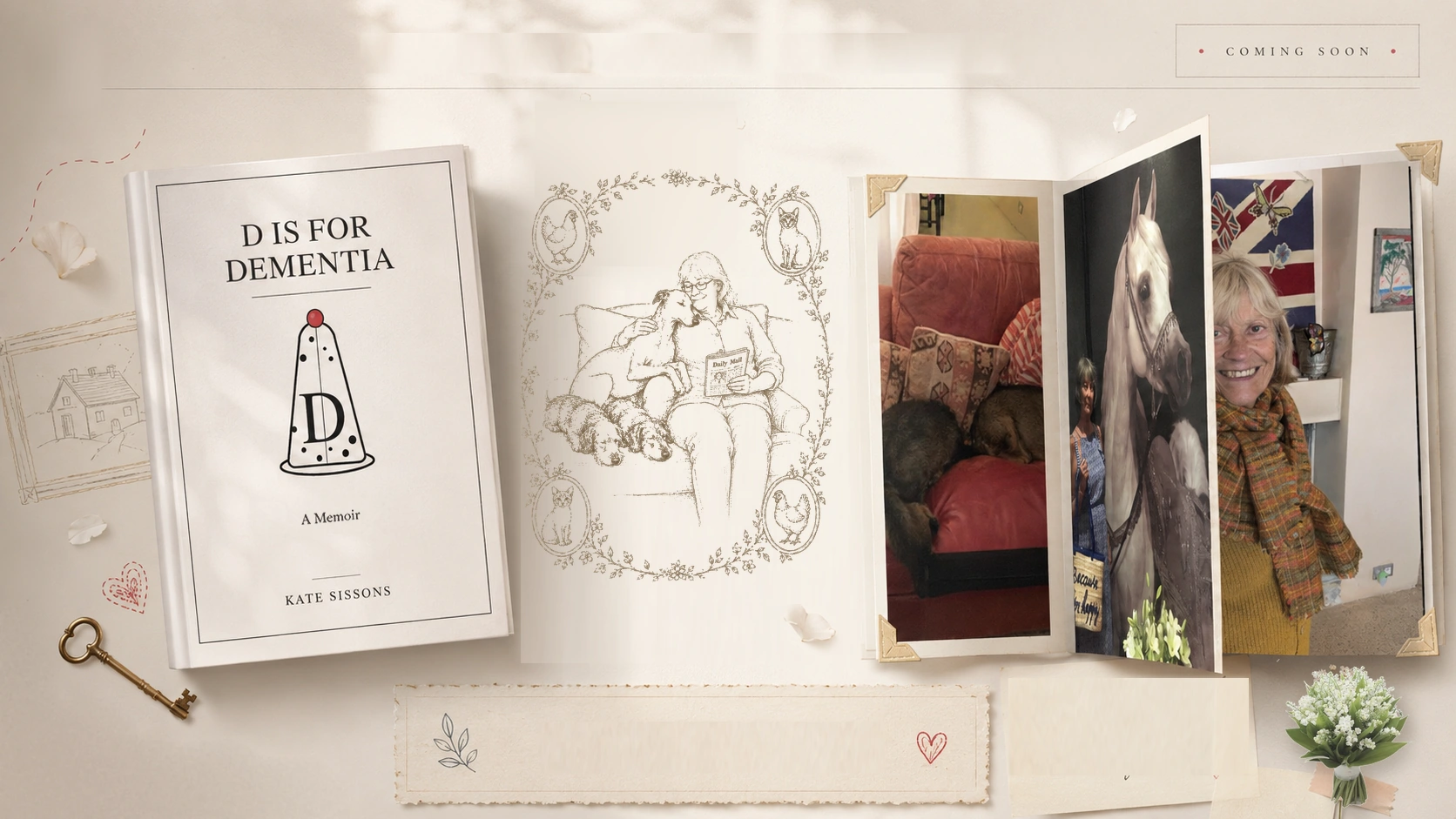


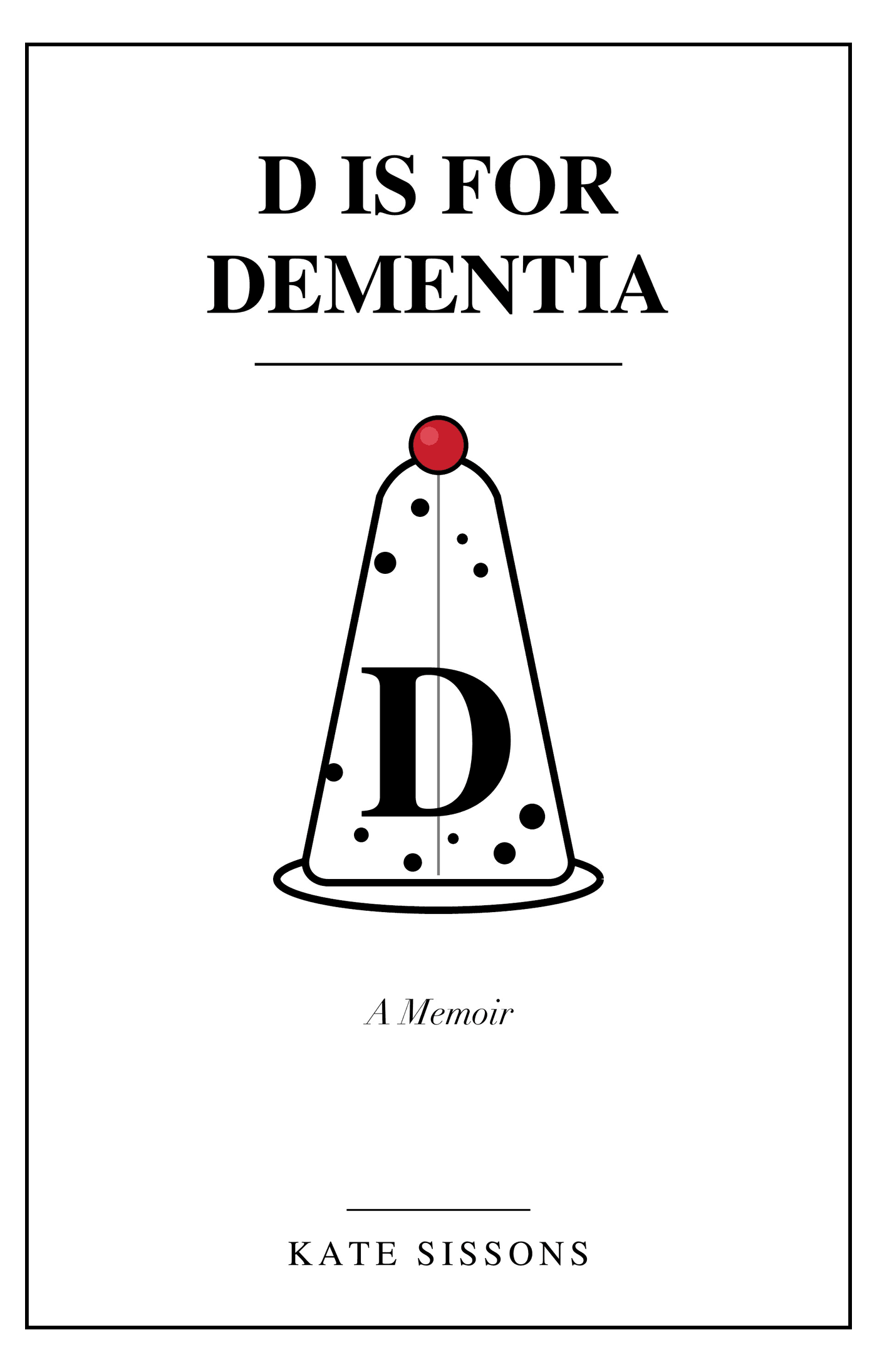
Kate had been estranged from her mother for a decade when the phone rang and she was asked to come down to Oxfordshire.
What happened after that visit forms the basis of this memoir: her mother’s descent into Alzheimer’s dementia, and Kate’s own struggle to make sense of a new and unfamiliar world. A move to France and the hospital disasters that followed. Squatters. Debt orders against the house she went to repossess, owed a large sum by her ex-partner after he was made bankrupt.
It is a book for everyone who has been touched by loneliness, depression, and the isolating experience of dementia. Love and laughter can be found in the darkest of situations.
Her mother was still there, but she was very different. For the first time she needed to be looked after. This woman who had raised her and taught her to brush her teeth and wipe her bottom was no longer coping.
From the book
“If you think I am going to give you any money towards this, you can think again.”
I had just told my brother that our mother had been formally diagnosed with Alzheimer’s, after the statutory three visits and tests at the dementia specialist in Chipping Norton. I wasn’t shocked so much as stunned, open-mouthed, because his voice, when it came, rippled with a venom that seemed to have been waiting for precisely this. How had it come to this, I remember thinking: that my brother’s first response to the news that our mother had a terminal diagnosis was to reach for money? What did money have to do with any of it, at this stage; wasn’t the diagnosis shock enough for one afternoon? His fury was palpable, and entirely about pounds and pence. Before he slammed the phone down he hissed, “I’ve told you not to call me at work. She needs putting in a home.” It is a strange thing to learn, in the course of a single telephone call, that the person you have known longest in the world has been standing, the whole time, on the far side of a wall.
About D is for Dementia
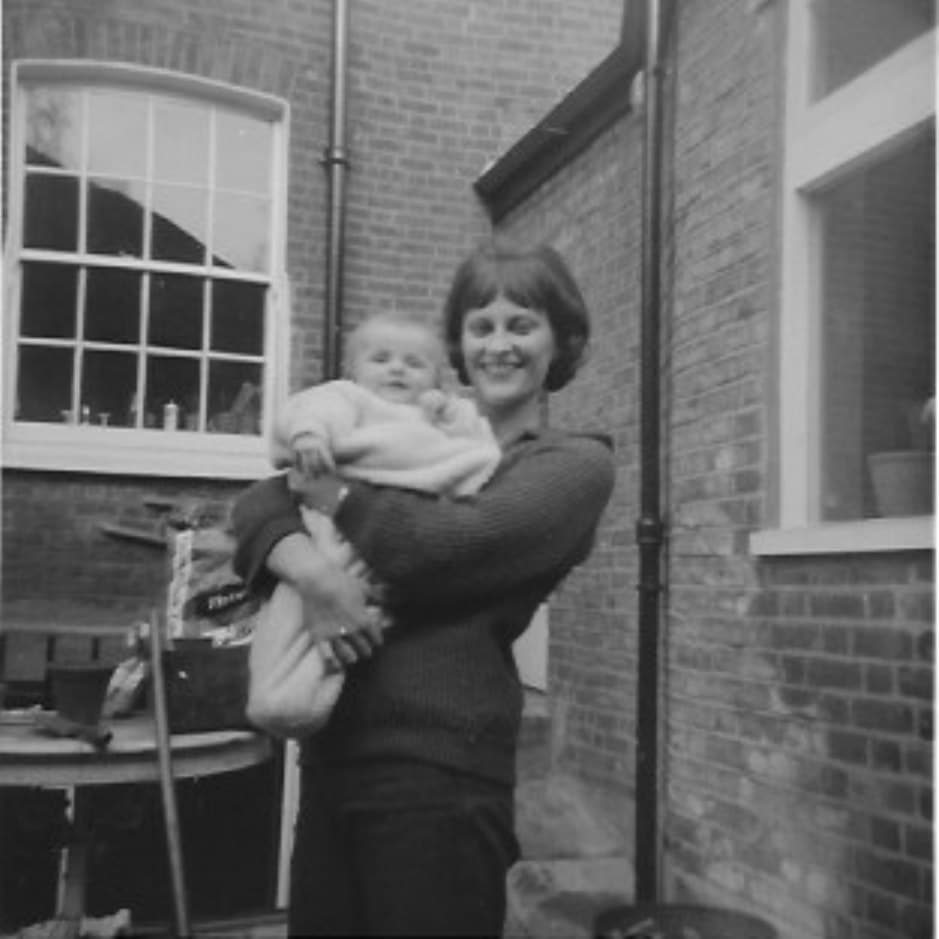
My mother was not an easy woman. She was funny, glamorous, maddening and brave — a Guardian-reading Greenham veteran, an Oxfam field-worker, a flirt who could charm a room and exasperate it in the same breath. When dementia came, it took her memory. It did not, I slowly learned, take her.
This is the story of the years I spent caring for her: of a fierce, independent woman quietly unravelling; of a house falling down in the South of France; of hospital wards and lockdown, of debt and a brother who would not help — and, threaded through all of it, against every expectation, a great deal of love and, yes, laughter.
It is a book about the long goodbye, and the strange, unlooked-for homecoming folded inside it: a difficult mother and a daughter, somehow brought back to one another at the very end. And it is for anyone who has watched someone they love begin to slip away, and chosen not to look away themselves.
Dementia is frightening, and lonely, and far more than a loss of memory. But it does not erase a person. My mother was still in there — bossy, funny, entirely herself — right to the last.
Because a person is never only the wreckage you arrive to. They are every version of themselves that came before — and part of the work of caring, I came to understand, is refusing to forget the rest.
Kate Sissons
About the Author

Kate grew up between London and Oxfordshire in the swinging 1970s, went to Goldsmiths College in the 1980s, and worked in newsrooms in the naughty 1990s — at the Daily Mail, the London Evening Standard, The Times and the Sunday Telegraph — before meeting the father of her child and becoming a builder and decorator, working on his substantial property portfolio across Central London.
Their life was shattered when the business collapsed in 2007. Years of chaos and court battles followed, culminating in his formal bankruptcy in 2017 — leaving Kate to repossess their family home in France.
During her acrimonious break-up between 2007 and 2009, Kate wrote the hit blog Knee Deep in Knightsbridge, which gained millions of followers. Her ex once had four printed copies wheeled into court in a bid to have it banned — only for the judge to tell the court: “I enjoyed it. Wish you well, and hope you find an agent and we see it published.”
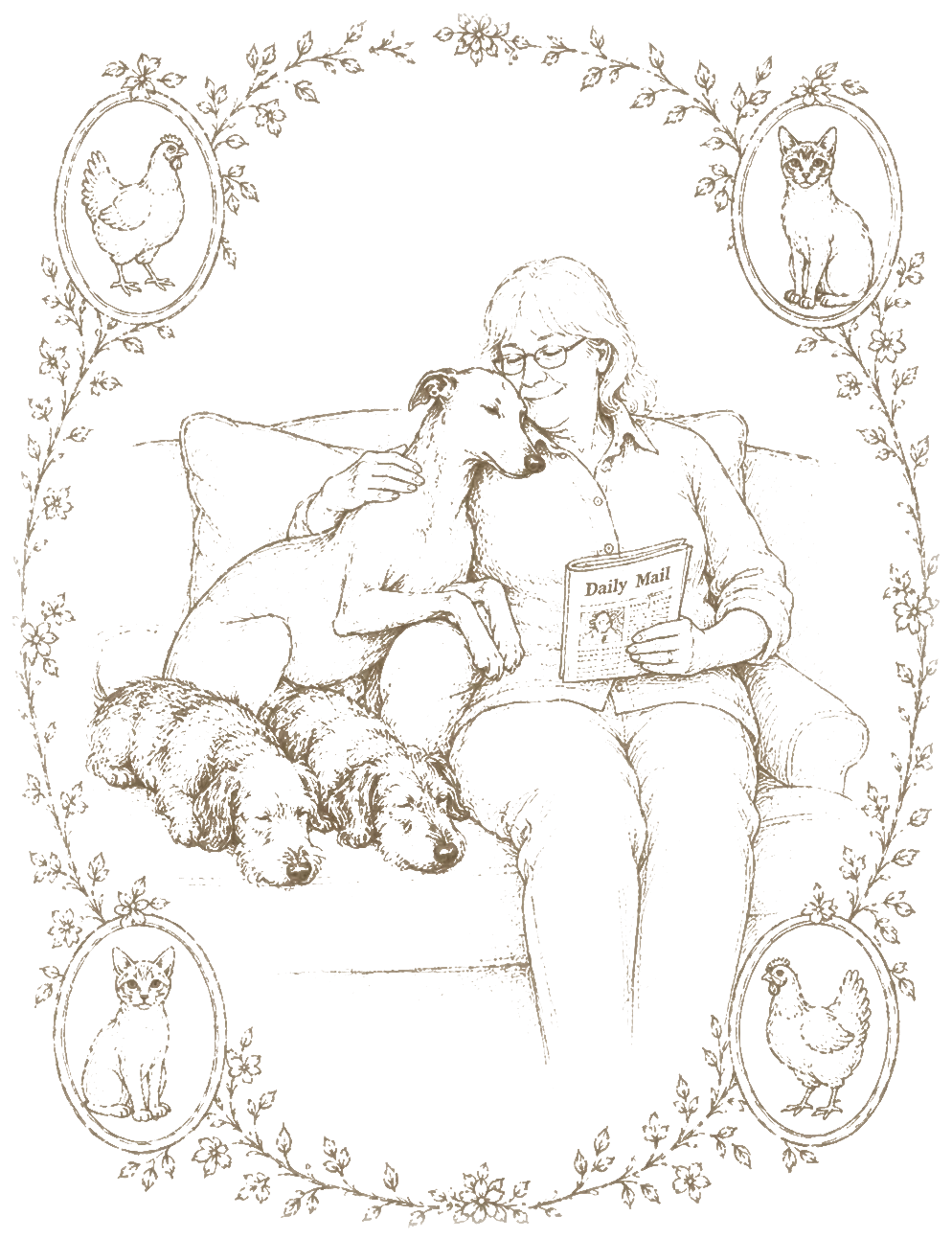
Kate continues to live in the Oxfordshire countryside she loves, surrounded by dogs, horses and her garden.
Read the prequel
Knee Deep in Knightsbridge
The book of the hit-blog
The book that comes before this one: the telephone call that ended it, the Knightsbridge basement that had been a brothel, and the blog she wrote through all of it — the one his lawyers had bound and wheeled into court in an attempt to have it banned.
kneedeepinknightsbridge.com